


Discover My Themes
Nine thematic studies exploring architecture through form, light, material, and space.
Each theme offers a focused lens on architectural expression — a curated exploration of structure, atmosphere, and design intention shaped by place and perception.
-
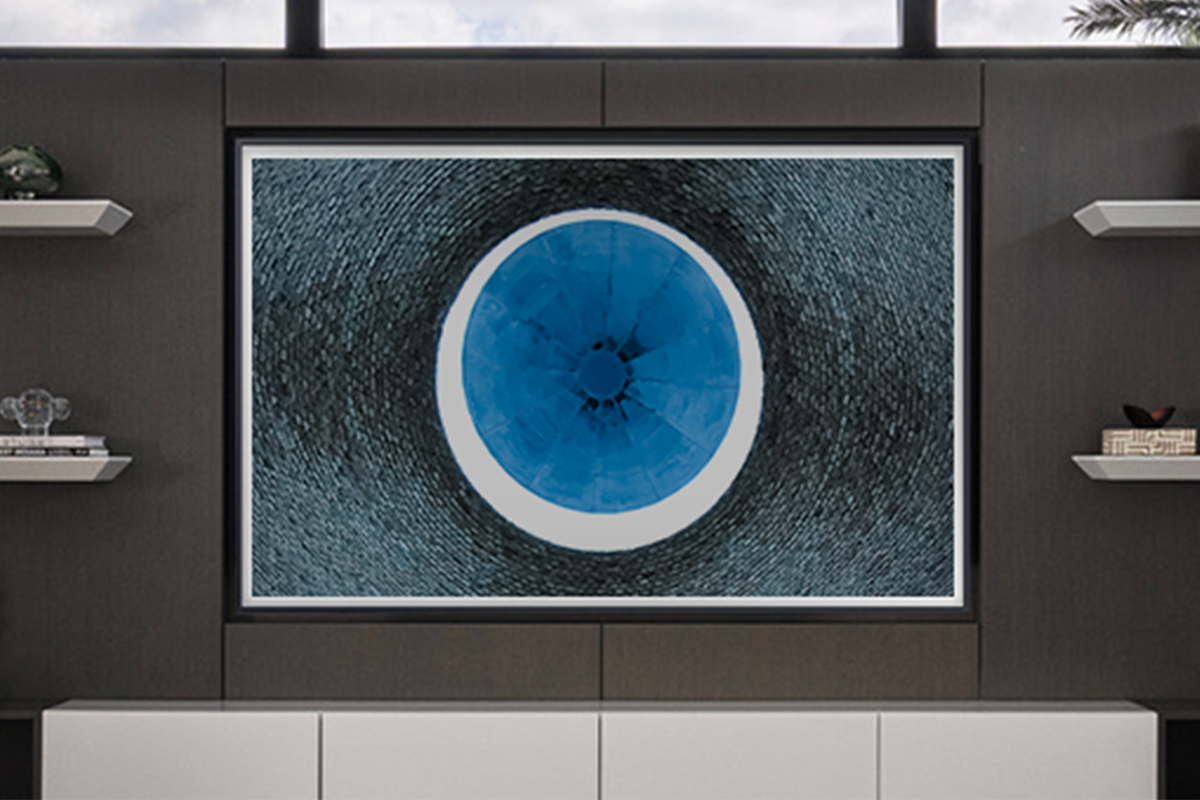
An architectural study that distills buildings into pure form and geometry, emphasizing rhythm, contrast, and visual tension shaped by light and shadow.
-
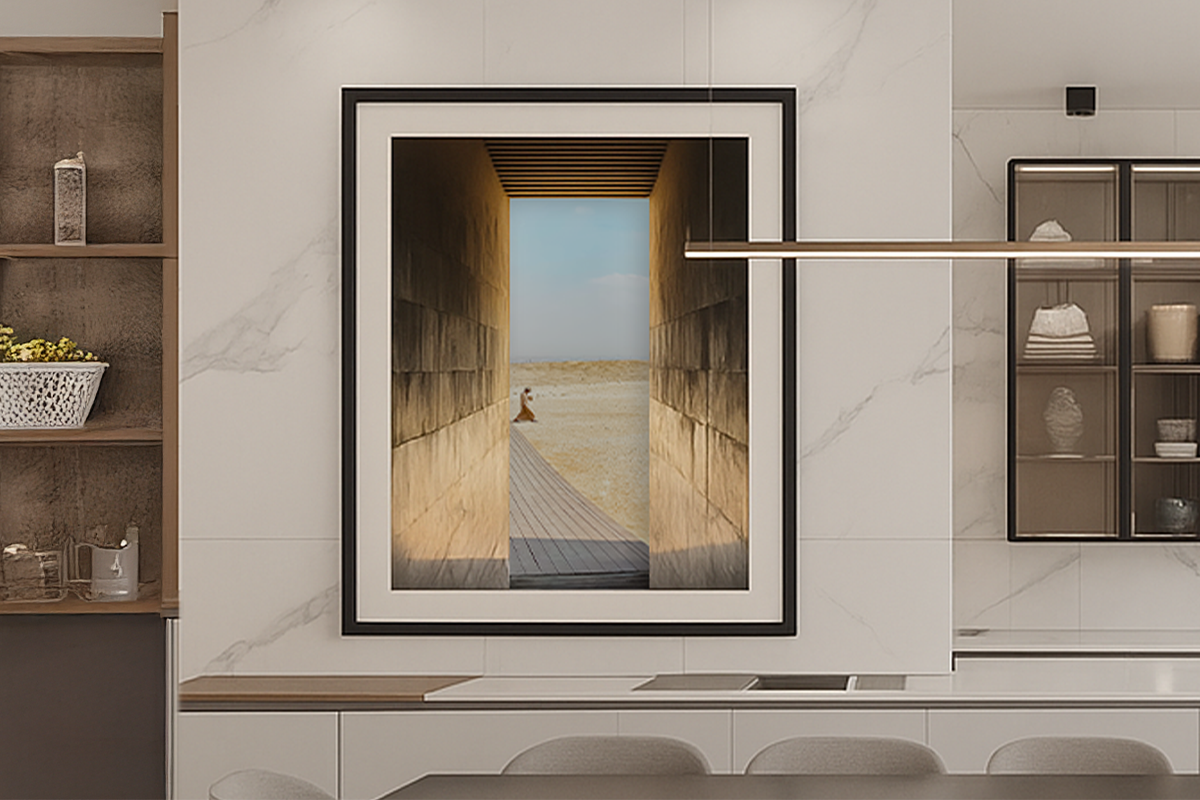
A contemplative study of architecture shaped by time, material, and memory—revealing how age, craft, and structure endure across generations.
-
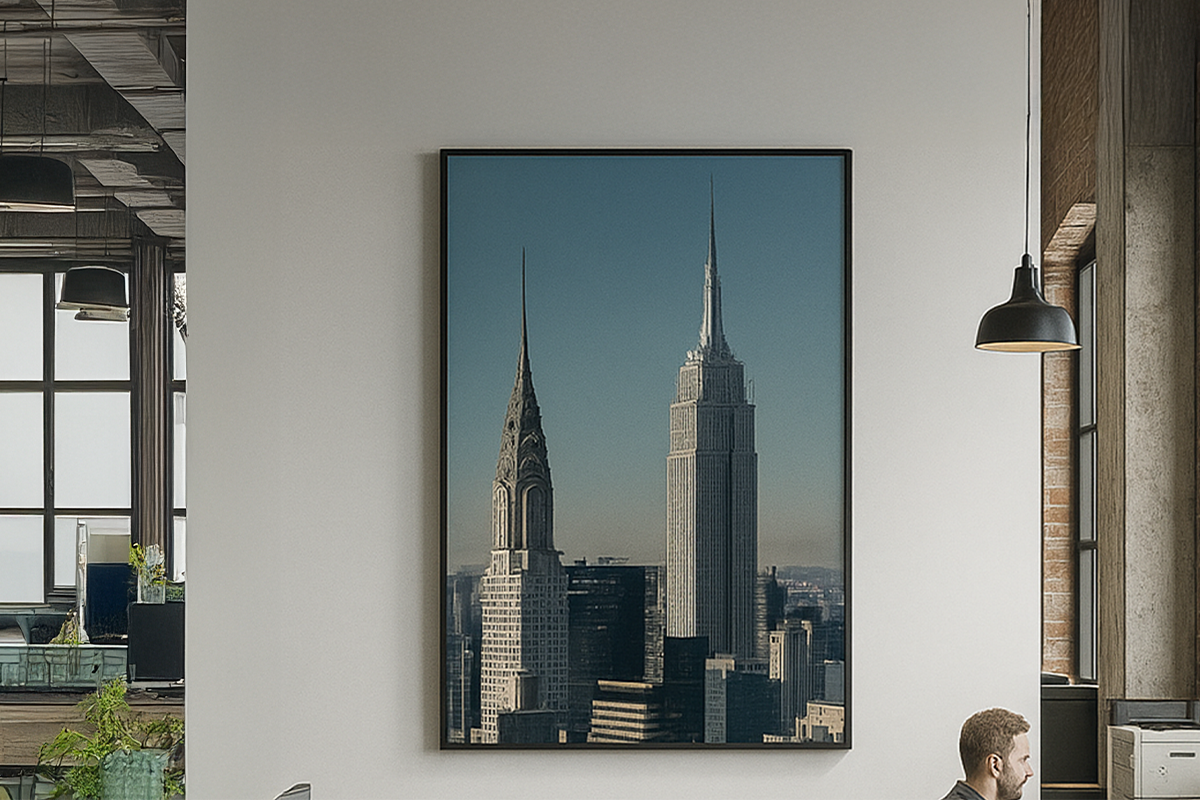
An exploration of urban architecture through scale, repetition, and atmosphere, capturing the visual energy and spatial rhythm of the built city.
-
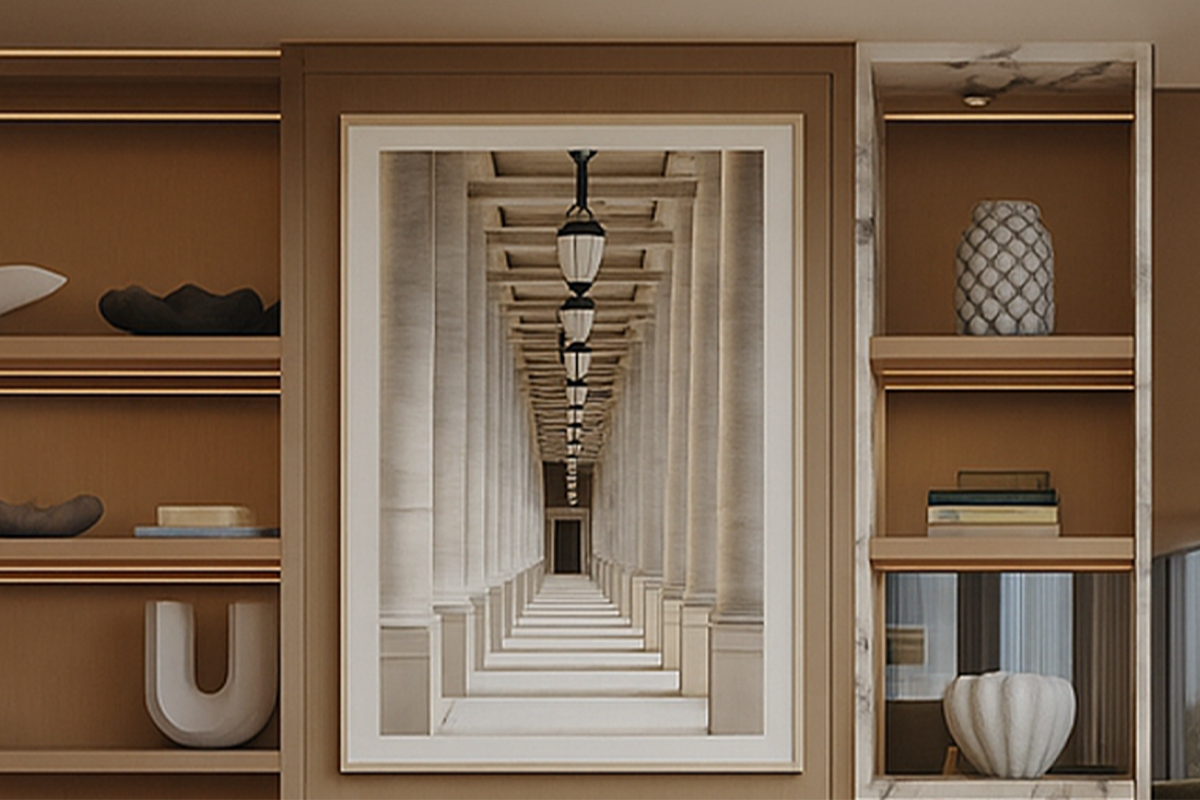
A study rooted in balance and proportion, examining timeless architectural principles where symmetry, order, and detail define enduring form.
-
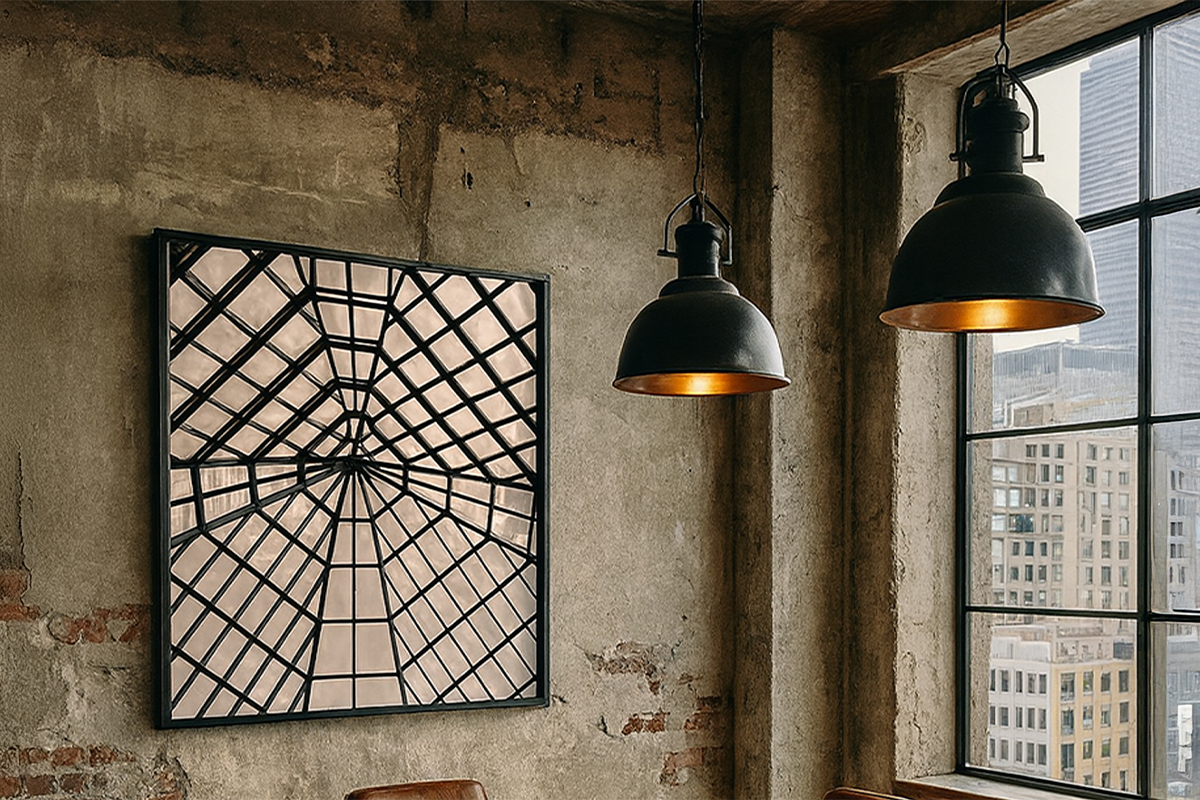
An intimate examination of architecture through material, texture, and craftsmanship, revealing the quiet design decisions that shape space.
-
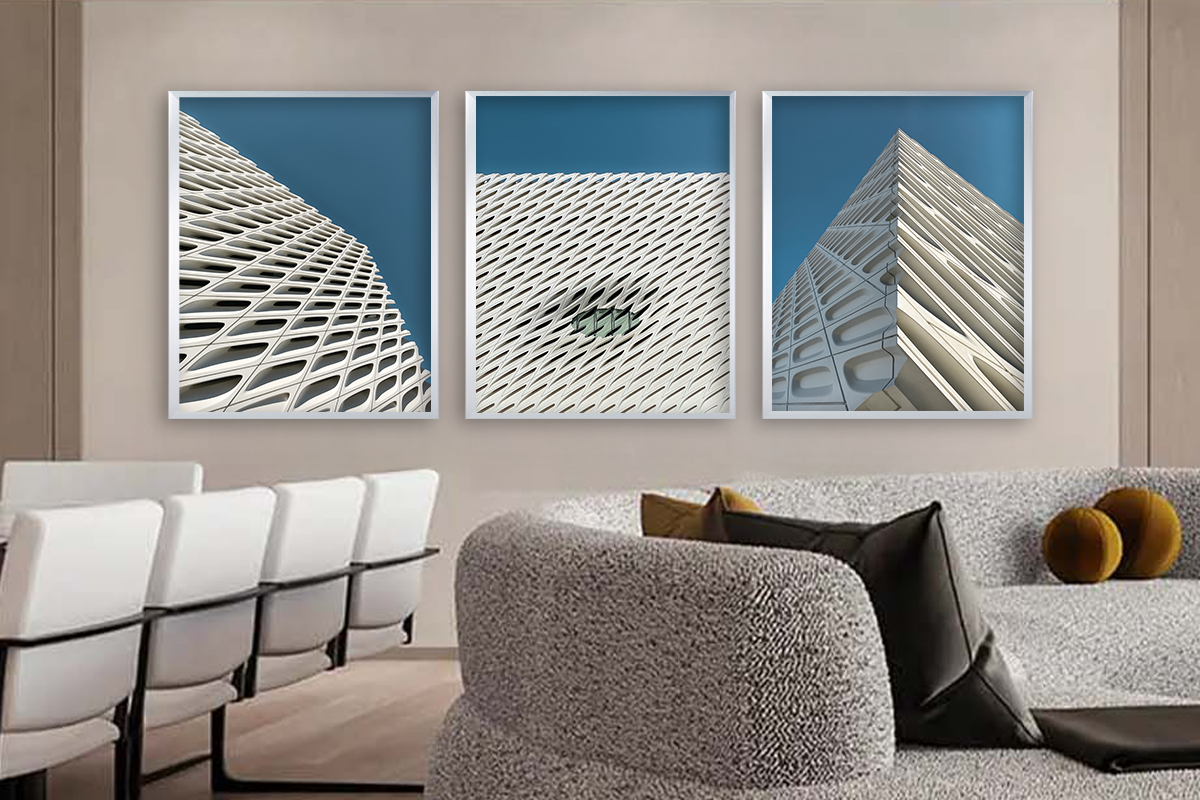
A focused exploration of architectural surfaces, studying repetition, pattern, and elevation as expressions of identity and visual order.
-
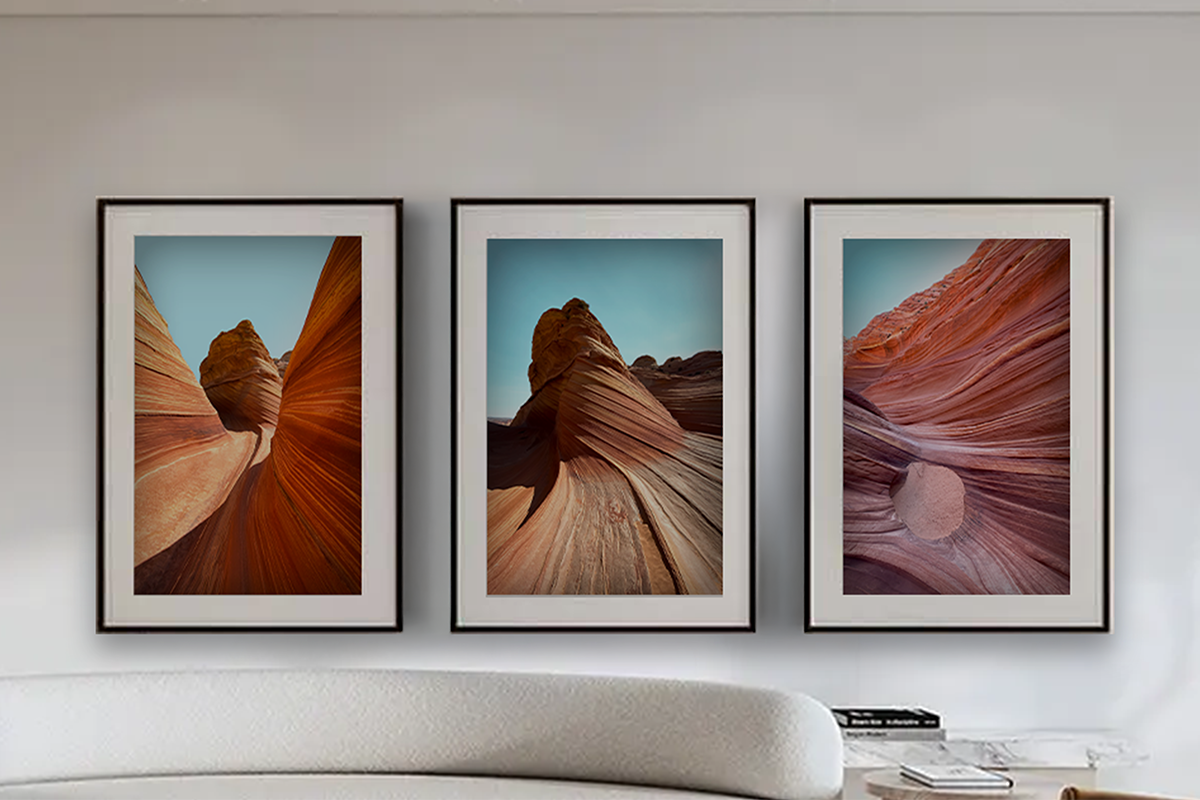
A study of architecture in dialogue with its surroundings, exploring how built form responds to land, horizon, and natural light.
-
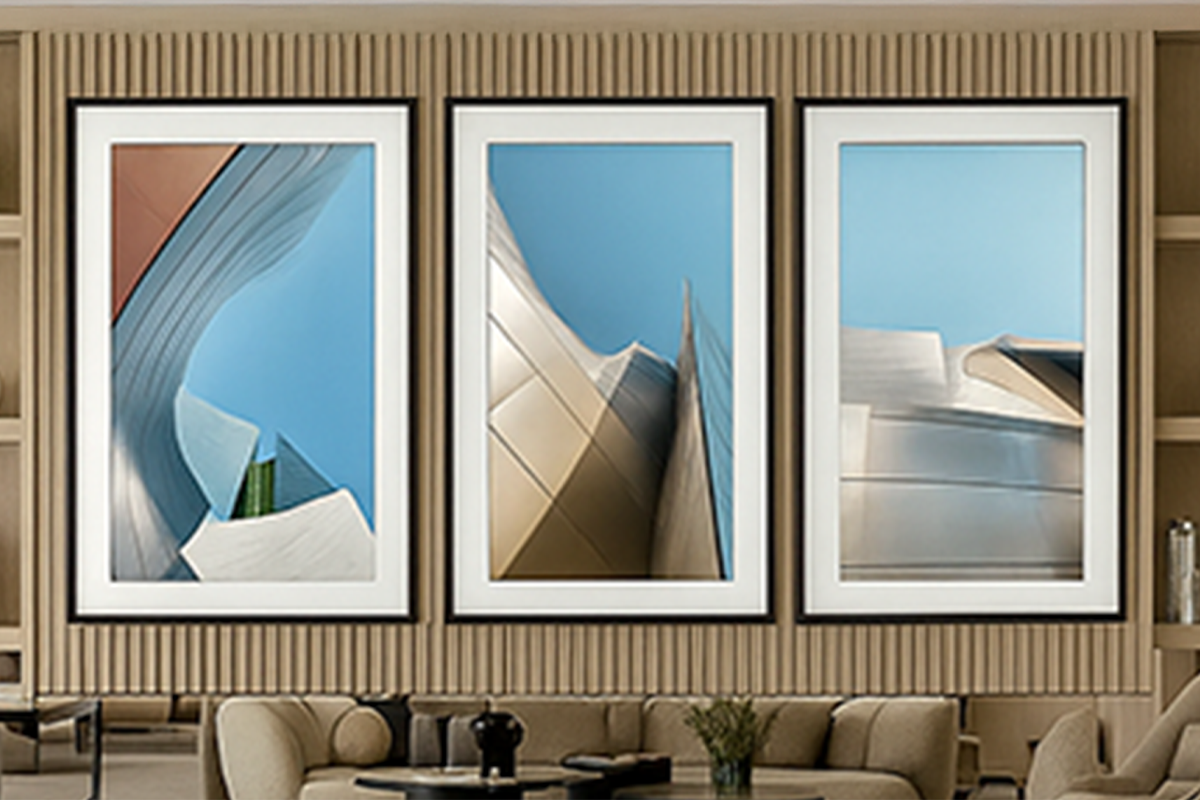
An architectural study defined by clarity and restraint, examining clean lines, minimal structure, and intentional use of light.
-
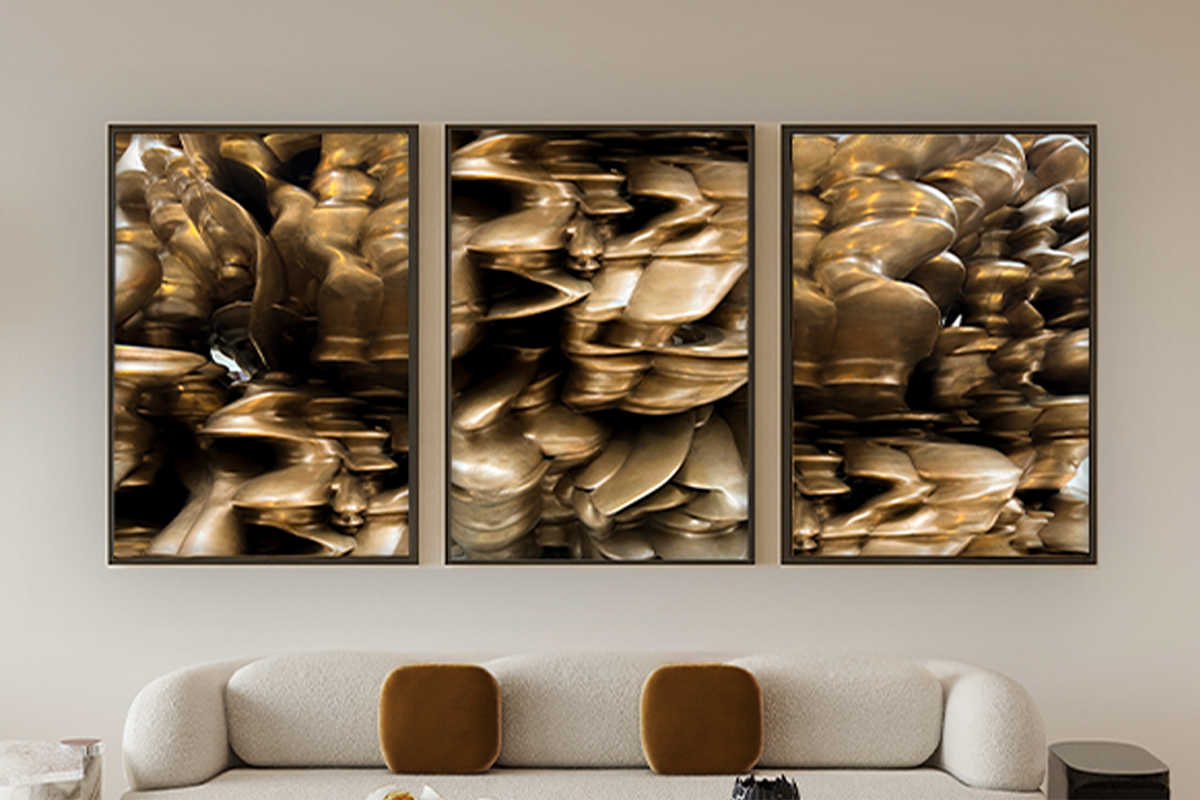
An exploration of sculptural works within shared environments, studying how art, scale, and placement shape collective spatial experience.
Artist’s Note
These themes represent my way of slowing architecture down — isolating specific qualities so they can be felt more clearly. Rather than documenting buildings as objects, each theme explores how architecture behaves: how it holds light, shapes movement, reveals material, and creates emotional resonance through space.
Together, the themes form a visual vocabulary — a set of studies that examine architecture not as static form, but as lived experience shaped by context, proportion, and intention.

Jay Britto
“Themes allow me to explore architecture with focus and restraint. By isolating qualities like form, light, texture, or spatial rhythm, I can examine how design communicates emotion beyond function. Each theme is not a category, but a way of seeing — a quiet study of how architecture shapes experience, memory, and atmosphere through intentional design.”
